Gold demand isn't just about jewelry or fear. It's a complex, real-time indicator of global economic health, geopolitical tension, and technological innovation. If you're looking at gold purely through the lens of its price ticker, you're missing the story. The real narrative is in the demand trends—who's buying, why they're buying, and what they're doing with it. Over the past decade, I've seen investors get burned by focusing solely on headlines while ignoring the underlying demand currents that actually move the market. Let's cut through the noise. The current landscape is defined by three powerful, sometimes conflicting, forces: relentless central bank accumulation, a cautious yet strategic retail and institutional investor base, and a quiet but growing industrial and technological appetite.
What You'll Discover
The Unstoppable Central Bank Buying Spree
This is the biggest story in the gold market, full stop. Since the 2008 financial crisis, but accelerating dramatically post-2020, central banks have transformed from net sellers to voracious buyers. The World Gold Council reports that central banks have been net purchasers for over a decade now. In 2022 and 2023, they bought at a pace not seen since the 1960s.
Why the dramatic shift? It's not one reason, but a cocktail of strategic imperatives.
- De-dollarization (or Diversification): This is the buzzword you hear everywhere. It's less about abandoning the dollar and more about reducing over-reliance. Countries like Russia, China, India, Turkey, and Poland have been leading the charge. After seeing the power of financial sanctions, holding a tangible, politically neutral asset like gold looks increasingly prudent. It's a form of monetary insurance.
- Gold's Performance as a Reserve Asset: Gold has held its value over centuries. In a world of negative-yielding bonds and volatile currencies, its lack of counterparty risk (no one can default on a gold bar) and historical store of value make it a compelling component of national reserves.
- Confidence and Domestic Support: For some emerging market banks, boosting gold reserves is a signal of economic strength and stability to both international markets and their own citizens.
Let's look at some of the key players, based on recent reports from the International Monetary Fund and the World Gold Council:
| Central Bank | Recent Trend (Key Period) | Primary Driver (Expert Analysis) |
|---|---|---|
| People's Bank of China | Consistent, announced monthly purchases since late 2022. | Strategic diversification, promoting the international use of the Yuan, and building domestic confidence. |
| National Bank of Poland | Aggressive buying program, aiming to hold 20% of reserves in gold. | Geopolitical hedging within the EU/NATO, and a classic move to strengthen long-term national financial security. |
| Central Bank of Turkey | Volatile but massive purchases, often linked to domestic policy. | Combating rampant inflation, supporting the lira, and providing a stable asset amidst economic turbulence. |
| Reserve Bank of India | Steady, incremental accumulation over years. | Diversification of massive forex reserves, cultural affinity for gold, and risk management. |
This trend shows no sign of abating. As long as geopolitical multipolarity and economic uncertainty persist, central banks will likely remain foundational buyers, putting a firm floor under the gold market.
Investment Demand: More Than Just a Safe Haven
Retail and institutional investor demand is the volatile, sentiment-driven counterpart to steady central bank buying. It's what causes those sharp price spikes and corrections. But labeling it simply "fear buying" is a gross oversimplification. Modern gold investment demand is multifaceted.
How Investors Are Accessing Gold Today
The days of only buying coins or bars from a local dealer are gone. The channels have exploded, each with its own demand profile:
Gold-Backed ETFs (like GLD or IAU): These are the liquidity kings. They allow investors to get exposure to gold's price without the hassle of storage. Demand here is highly sensitive to real interest rates (when rates are low or negative, gold becomes more attractive) and broad market risk. Large inflows or outflows from major ETFs are a key pulse check for Western institutional sentiment.
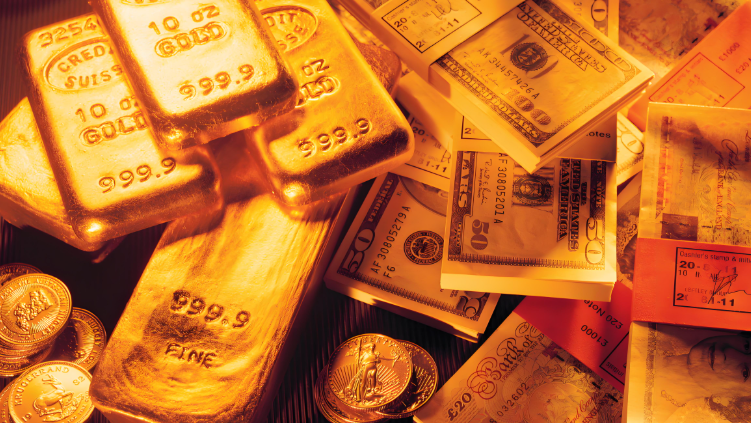
Physical Bars and Coins: This is the "hold in your hand" demand. It's strong in times of acute crisis (see the surge in 2020) and in cultures with a deep historical trust in gold (like Germany, Switzerland, and across Asia). The U.S. Mint's sales of American Eagle coins are a great public benchmark for this retail fervor.
Digital Gold and Fractional Platforms: A newer trend. Apps allow people to buy fractions of a gram, democratizing access. This taps into a younger, tech-savvy demographic and creates a new, potentially more stable stream of demand from dollar-cost averaging.
Futures and Options (COMEX): The realm of hedge funds, banks, and professional speculators. The commitments of traders reports from the CFTC are essential reading here. This demand is often short-term and leveraged, driving daily volatility.
The mistake I see many new investors make? They treat all this investment demand as one monolithic force. It's not. A hedge fund selling futures contracts for a quick profit has zero impact on the physical bar I bought from a dealer. Understanding which segment of investment demand is driving price action is crucial.
Technology's Growing Appetite for Gold
While often overshadowed by finance, technological and industrial demand is a critical, steady consumer of gold. It's also the trend with the most exciting long-term growth potential. Forget just wedding rings.
Gold is an exceptional conductor, is highly malleable, and doesn't corrode. These properties make it indispensable in:
- Electronics: Every smartphone, tablet, and advanced computer uses tiny amounts of gold in connectors, switches, and circuit boards. While the amount per device is small (often just fractions of a gram), the volume is astronomical. The rollout of 5G infrastructure and the Internet of Things (IoT) means more devices with more sophisticated components.
- Healthcare and Dentistry: Gold is biocompatible and used in certain diagnostic tests, treatments for arthritis, and, of course, dental work. Medical technology advancements continue to find new uses.
- Green Technology: This is a potential game-changer. Gold is used as a catalyst in hydrogen fuel cells and in certain types of high-efficiency solar panels. As the global push for decarbonization accelerates, demand from this sector could become significant.
The key here is price elasticity. Industrial users are sensitive to cost. If the gold price soars, they will seek alternatives or use less. But for many high-reliability applications (think aerospace or medical implants), there simply is no perfect substitute. This demand provides a consistent, baseline level of consumption that isn't tied to financial fear or greed.
How to Navigate These Trends as an Investor
So, with these three pillars of demand—central bank, investment, and technology—how do you make a decision? Throwing money at a gold ETF because you're worried about headlines is a strategy, but not a good one.
Here’s a more structured way to think about it:
- Define Your Goal: Are you looking for a crisis hedge (physical bars/coins), a portfolio diversifier that's easy to trade (ETFs), or a speculative play on short-term price moves (futures/mining stocks)? Your goal dictates the vehicle.
- Watch the Macro Drivers: Keep one eye on central bank announcements (follow the World Gold Council's monthly reports) and another on real interest rates (Treasury yield minus inflation). Strong central bank buying + negative or low real rates = a very supportive environment.
- Allocate, Don't Speculate: The classic advice of holding 5-10% of your portfolio in gold as a permanent hedge makes more sense than ever. It smooths out volatility. Use dollar-cost averaging into a low-cost ETF or periodic physical purchases to avoid trying to time the market.
- Look Beyond the Obvious: Consider the miners. If you believe in sustained demand, companies that extract gold can offer leveraged exposure (and dividend income). But know the risks—operational issues, cost inflation, and political risk in mining jurisdictions.
The trend is your friend, but only if you understand which trend you're riding. The steady, strategic accumulation by central banks is a long-term bullish signal. The fickle flows in and out of ETFs will cause short-term bumps. The growth in tech demand is a slow-burn positive. Your investment horizon should match the demand trend you're banking on.